
Climate Watch
By Rick Thoman
Alaska Climate Specialist
Alaska Center for Climate Assessment and Preparedness
International Arctic Research Center/University of Alaska Fairbanks
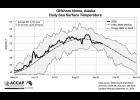
Northern Bering Sea ocean...
By Rick Thoman
Alaska Climate Specialist
Alaska Center for Climate Assessment and Preparedness
International Arctic Research Center/University of Alaska Fairbanks
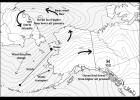
Autumn is here so it’s a good...
By Rick Thoman
Alaska Climate Specialist
Alaska Center for Climate Assessment and Preparedness
International Arctic Research Center/University of Alaska Fairbanks
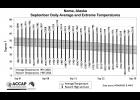
The climate outlook from NOAA's...

By Rick Thoman
Alaska Climate Specialist
Alaska Center for Climate Assessment and Preparedness
International Arctic Research Center/University of Alaska Fairbanks
With El Niño well underway now...
By Rick Thoman
Alaska Climate Specialist
Alaska Center for Climate Assessment and Preparedness
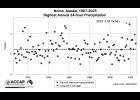
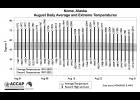
International Arctic Research Center/University of Alaska FairbanksThis summer had been rather dry...
By Rick Thoman
Alaska Climate Specialist
Alaska Center for Climate Assessment and Preparedness
International Arctic Research Center/University of
Alaska Fairbanks
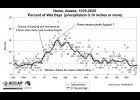
The August 2026 climate outlook...
By Rick Thoman
Alaska Climate Specialist
Alaska Center for Climate Assessment and Preparedness
International Arctic Research Center/University of Alaska Fairbanks
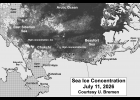
With the calendar turning towards...
*/
By Rick Thoman
Alaska Climate Specialist
Alaska Center for Climate Assessment and Preparedness
International Arctic Research Center/University of Alaska Fairbanks
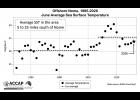
Sea ice was mostly gone...
By Rick Thoman
Alaska Climate Specialist
Alaska Center for Climate Assessment and Preparedness
International Arctic Research Center/University of Alaska Fairbanks
June temperatures on land...
By Rick Thoman
Alaska Climate Specialist
Alaska Center for Climate Assessment and Preparedness
International Arctic Research Center/University of Alaska Fairbanks
For the past few years, the...